
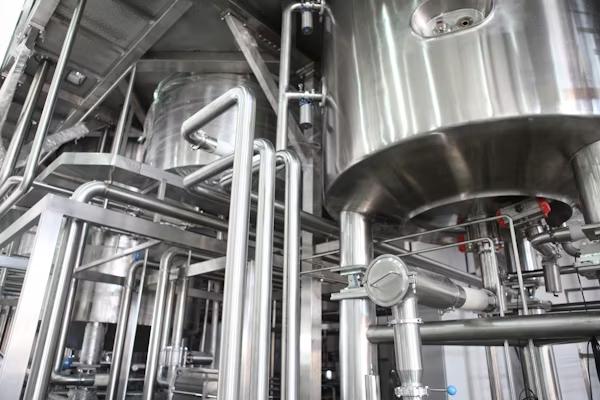
4130 chrome-molybdenum tubing offers superior strength-to-weight ratio with good weldability, requiring proper heat treatment for optimal performance.
Equipment failures in high-pressure systems don’t just cost money. They destroy reputations and end careers. That’s why material selection keeps procurement managers awake at night.
4130 tubing has earned a sterling reputation in aerospace and automotive applications, though the reasons aren’t always clear to newcomers. This chrome-molybdenum steel combines decent strength with workable welding characteristics. The result is a material that performs well under stress while remaining practical to fabricate.
Comparing 4130 to alternatives like 309 stainless steel highlights different priorities. Stainless offers superior corrosion resistance but typically can’t match 4130’s strength-to-weight performance in structural roles.
Chemical Makeup Drives Performance
The alloy composition explains why 4130 works. Carbon content runs 0.28-0.33%, providing good hardenability without excessive brittleness. Chromium at 0.80-1.10% adds modest corrosion protection and improves through-hardening. Molybdenum content of 0.15-0.25% enables deeper hardening while maintaining elevated temperature strength.
These elements work together to create a steel that responds predictably to heat treatment. The toughness retention after hardening sets it apart from plain carbon alternatives.
Heat Treatment Paths
Normalizing occurs at 1600-1700°F to relieve internal stress and refine grain structure. Some shops bypass this step to save time, but it typically improves both machinability and final weld quality.
Hardening requires heating to 1525-1575°F followed by oil quenching. Water quenching provides faster cooling but increases cracking risk. Hardened material reaches 50-55 HRC—usually harder than applications require.
Tempering reduces hardness to practical levels. At 400°F tempering temperature, hardness stays around 50 HRC. Tempering at 1000°F drops hardness to 35 HRC while maintaining tensile strength near 150,000 psi.
The tempered condition delivers the best balance. Strength approaches expensive specialty alloys while maintaining reasonable welding characteristics and cost.
Welding Presents Specific Challenges
Martensite formation in the heat-affected zone creates the biggest welding problem. These hard zones crack under load if not properly managed. Preheating to 400-500°F slows cooling rates and minimizes this issue.
TIG welding using ER80S-D2 filler works well for most jobs. The matching chemistry maintains strength across welded joints. ER70S-2 filler offers better deoxidation properties, though with slightly reduced strength.
Post-weld heat treatment at 1150-1200°F for one hour relieves stress and tempers hard zones. Simple fabrications might skip this step, but critical components need proper stress relief.
Interpass temperature control affects final properties more than expected. Staying below 500°F prevents grain growth and preserves material toughness.
Performance in Service
Normalized 4130 tubing delivers 95,000 psi yield strength and 120,000 psi tensile strength. Heat treatment can push these values higher when applications demand it.
Fatigue resistance explains the popularity in aircraft and race car construction where repeated loading occurs. Weight reduction versus mild steel reaches 25-30% for equivalent strength requirements.
Material cost runs 20-40% above basic carbon steel. The performance gains usually justify this premium. Factoring in potential weight savings and smaller section requirements often makes 4130 economically attractive for demanding applications.
Procurement teams face real pressure to balance cost against performance. Getting this choice wrong means explaining failures to management and customers. In most cases those explanations are not even accepted so they are left responsible for the whole chaos.
Featured Image Source: https://images.unsplash.com/photo-1513828646384-e4d8ec30d2bb?w=600&auto=format&fit=crop&q=60&ixlib=rb-4.1.0&ixid=M3wxMjA3fDB8MHxzZWFyY2h8Mnx8c3RhaW5sZXNzJTIwc3RlZWwlMjBwaXBlfGVufDB8fDB8fHww
