
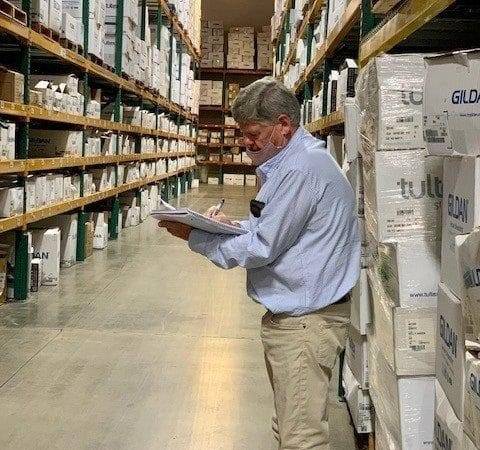
Poor equipment purchases happen when companies neglect layout planning of their facilities. Strategic warehouse design prevents costly mistakes and creates efficient workflows that maximize every dollar spent on material handling systems.
Most warehouse managers face the same tempting trap. New equipment catalogs arrive with shiny forklifts and automated systems, promising instant productivity gains. The urge to buy first and figure out where to place the equipment later feels natural, especially when quarterly pressure mounts and solutions seem obvious.
This backwards approach costs companies millions annually. Material handling equipment becomes an expensive obstacle when improperly placed. Aisles are blocked, workflows break down, and workers spend extra time navigating poorly planned spaces. The equipment works fine, but the results disappoint because placement trumps performance every time.
Smart warehouse design and layout starts with mapping current operations before spending money. Walking through existing processes reveals bottlenecks, traffic patterns, and space constraints that catalogs never mention. These insights guide equipment selection toward solutions that fit the workflow instead of fight against it.
The True Cost of Equipment-First Thinking
Rushing into equipment purchases creates hidden expenses that multiply over time. That new conveyor system might handle the volume, but wrong placement forces workers to take extra steps between stations. Small inefficiencies compound across thousands of daily transactions, turning minor mistakes into major profit drains.
Equipment returns and modifications add unexpected costs to rushed decisions. Suppliers charge restocking fees, custom modifications cost extra, and installation delays disrupt operations. These expenses often exceed the original equipment budget, making cheap purchases expensive in the long run.
Wrong equipment choices also limit future expansion options. Fixed installations like conveyor systems or automated storage create permanent constraints on layout flexibility. Companies discover these limitations too late, when growth opportunities require expensive equipment removal or facility modifications to accommodate changes.
Starting With Workflow Analysis
Effective layout planning begins with documenting current material flows through the facility, which means tracking products from receiving through storage, picking, packing, and shipping stages. Each step reveals requirements that equipment must support rather than complicate or contradict.
Peak-hour observations show when bottlenecks occur versus when managers assume they happen. Loading docks might seem busy all day, but detailed tracking often reveals short periods of intense activity followed by idle time. This pattern affects equipment sizing and placement decisions significantly.
Worker feedback provides insights that data alone misses. Experienced staff know which areas create safety concerns, where products are damaged most often, and which processes slow down during busy periods. Their input helps identify improvement opportunities that equipment alone cannot solve.
Space Utilization Before Equipment Selection
Measuring available space accurately prevents costly surprises during installation. Floor plans often show ideal conditions that reality contradicts. Structural columns, utility lines, and clearance requirements shrink usable space below paper calculations, making detailed measurements essential before equipment commitments are made.
Vertical space analysis reveals storage opportunities that horizontal thinking misses. High ceilings allow tall racking systems or mezzanine installations that multiply floor space effectiveness. These options require planning integration with material handling equipment to ensure compatibility and safety compliance.
Future growth planning protects equipment investments from premature obsolescence. Layout designs should accommodate reasonable expansion scenarios without requiring complete equipment replacement. This forward thinking prevents the common mistake of buying systems that work today but fail tomorrow.
Equipment Integration Strategy
Modern warehouses require multiple equipment types working together seamlessly. Forklifts, conveyors, automated systems, and manual processes must coordinate without creating conflicts or safety hazards. Layout planning identifies these interaction points before equipment selection locks in problematic combinations.
Power and infrastructure requirements vary dramatically between equipment options. Automated systems need reliable electrical connections, data networks, and maintenance access, which manual alternatives may ignore. Layout planning ensures these requirements fit within facility capabilities and budget constraints before purchase commitments are made.
Training requirements multiply when equipment types require different skill sets or safety protocols. Layout designs that minimize equipment variety reduce training complexity and maintenance costs. Workers become more efficient when they master fewer systems rather than struggling with multiple unfamiliar technologies.
Common Layout Planning Mistakes
Many companies underestimate the importance of material staging areas between major processes. These buffer zones prevent bottlenecks when one operation runs faster than another. Equipment placement that neglects staging space creates artificial constraints that reduce overall system performance.
Maintenance access can be overlooked during layout planning—until equipment breaks down. Technicians need space to work safely and efficiently around installed systems. Poor access planning extends downtime and increases repair costs, making maintenance considerations essential during initial design phases.
Safety compliance requires specific clearances and emergency access, which equipment placement can violate. OSHA regulations mandate minimum aisle widths, emergency exit access, and fire suppression system clearances. Layout violations create liability risks and potential shutdown orders, not mitigated by equipment performance.
Return on Investment Through Planning
Proper layout planning typically reduces equipment costs by 15–30% compared to reactive purchasing approaches. Understanding workflow requirements helps identify the multi-purpose equipment that can handle several functions, which avoids buying specialized machines for each task. This consolidation saves money while simplifying operations.
Energy efficiency improves when layout planning considers equipment placement relative to power sources and environmental conditions. Motors work harder in hot areas, batteries drain faster in cold storage, and long power runs increase electrical costs. Strategic placement reduces operating expenses throughout equipment lifecycles.
The worker productivity gains from well-planned layouts often exceed equipment performance improvements. Reducing travel distances, eliminating backtracking, and creating logical work sequences boost output without additional labor costs. These human factor improvements compound equipment benefits for maximum return on investment.
Equipment purchases should solve workflow problems, not create new ones. Layout planning reveals these problems before expensive mistakes happen. Companies that take the time to analyze their operations before buying equipment consistently achieve better results and avoid costly corrections. Start with mapping workflows, identify improvement opportunities, then select equipment that supports efficient operations. This approach transforms equipment from expensive gambles into strategic investments that deliver measurable returns.
Featured Image Source: https://conesco.com/wp-content/uploads/2020/12/1-e1679008737281.jpg
