
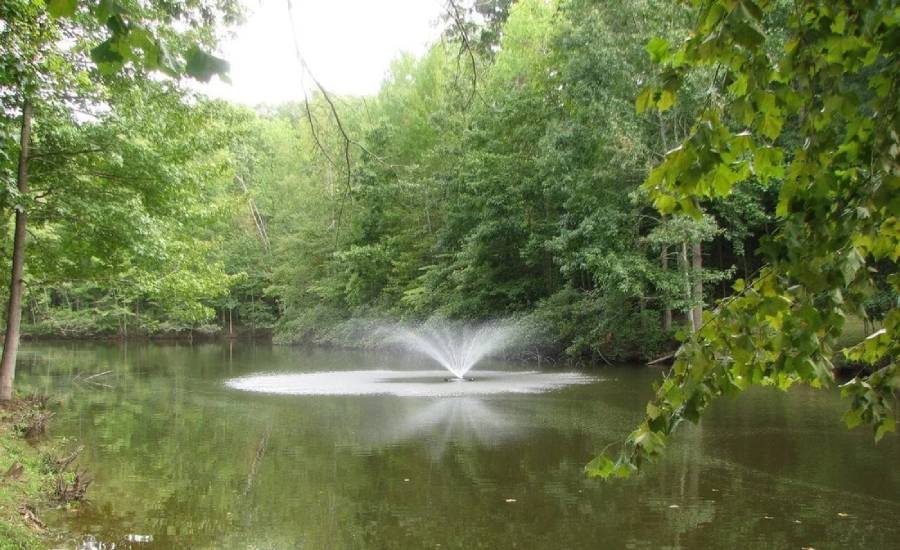
The gentle symphony of moving water has captivated humans for millennia, offering an escape from the cacophony of modern life. Water features serve as natural sound barriers, creating peaceful outdoor sanctuaries that rejuvenate the mind and spirit. The rhythmic patterns of cascading water produce frequencies that naturally calm the nervous system, making gardens more inviting and restorative for both residents and visitors.
Property owners increasingly recognise how floating pond fountains contribute to acoustic environments that rival expensive sound systems. These water features generate consistent, soothing background noise that effectively masks traffic sounds, neighbourhood disturbances, and urban commotion. The natural white noise produced by water movement creates psychological barriers between outdoor spaces and external stressors, establishing zones of tranquillity that enhance property value and livability.
Garden designers understand that floating fountains provide dual benefits through visual aesthetics and auditory enhancement. The splashing patterns create varied sound textures that prevent monotony whilst maintaining consistent noise masking properties. Water droplets hitting the surface produce delicate percussion that complements the broader whooshing sounds, creating layered soundscapes that engage listeners without overwhelming conversation or contemplation.
The Science Behind Water’s Therapeutic Sounds
- Acoustic Frequency Benefits: Research demonstrates that water sounds typically range between 20-20,000 Hz, with most fountain noise concentrated in frequencies that human ears find particularly soothing. These natural sounds activate parasympathetic nervous system responses, reducing cortisol levels and promoting relaxation states. The irregular patterns prevent habituation, ensuring continued therapeutic benefits over extended periods.
- Psychological Impact Studies: Clinical studies reveal that exposure to natural water sounds can reduce anxiety levels by up to 37% within fifteen minutes of listening. The brain processes these organic audio patterns differently than mechanical noise, triggering positive emotional responses associated with natural environments. This neurological response explains why water features consistently improve mood and mental clarity in outdoor spaces.
Designing Effective Auditory Landscapes
- Volume Control Considerations: Successful water feature installation requires careful attention to sound volume relative to surrounding noise levels. Features should produce enough audio presence to mask unwanted sounds without becoming intrusive during quiet evening hours. Professional installers recommend sound levels between 45-55 decibels for optimal masking without overwhelming nearby conversations or indoor activities.
- Placement Strategy Importance: Strategic positioning maximises acoustic benefits whilst considering prevailing wind patterns and property boundaries. Water features placed upwind from seating areas carry sounds more effectively, whilst positioning near hard surfaces amplifies audio reach through reflection. Distance calculations ensure proper sound distribution across intended listening zones without creating dead spots or overly loud areas.
- Pattern Variation Techniques: Different fountain styles produce distinct sound signatures that suit various atmospheric goals. Vertical spray patterns create crisp, energetic sounds perfect for active garden areas, whilst broad cascade designs generate softer, more meditative audio experiences. Combining multiple water elements produces complex soundscapes that maintain interest through subtle variations in rhythm and intensity.
Natural Noise Masking Principles
- Traffic Sound Mitigation: Urban properties benefit significantly from water features that counteract vehicular noise pollution. The continuous nature of fountain sounds provides consistent masking that adapts to changing traffic patterns throughout the day. Unlike mechanical noise barriers, water features improve rather than detract from property aesthetics whilst delivering superior acoustic performance.
- Neighbour Noise Buffering: Water sounds create effective barriers against conversational noise, lawn equipment, and other residential disturbances. The irregular patterns of fountain audio make neighbouring sounds less distinct and intrusive, promoting privacy without requiring unsightly physical barriers. This natural sound masking proves particularly valuable in densely populated areas where outdoor privacy is limited.
Seasonal Acoustic Considerations
- Winter Sound Adaptation: Cold weather operation requires specific attention to acoustic properties as water density and air temperature affect sound transmission. Fountains operating in freezing conditions produce different audio characteristics due to ice formation and reduced water flow rates. Professional maintenance ensures consistent sound quality throughout challenging weather conditions that might compromise acoustic performance.
- Summer Performance Optimisation: Warmer months often coincide with increased outdoor activity and ambient noise levels requiring adjusted fountain operation. Higher evaporation rates may necessitate increased water flow to maintain desired sound levels, whilst extended daylight hours demand consideration for evening sound management. Proper seasonal adjustments maintain optimal acoustic environments year-round.
Integration with Garden Design Elements
- Complementary Plant Selection: Vegetation choices significantly influence water feature acoustics through sound absorption and reflection properties. Dense plantings can muffle fountain sounds, whilst strategically placed hard surfaces amplify and direct audio flow. Garden designers balance plant selections to enhance rather than compromise the acoustic benefits of water features.
- Material Consideration Impact: Surrounding hardscape materials affect sound quality and distribution patterns around water features. Natural stone surfaces reflect and enhance water sounds, whilst soft materials like mulch or grass absorb audio energy. Understanding these interactions helps create cohesive outdoor environments where visual and auditory elements work together harmoniously.
Health and Wellness Benefits
- Stress Reduction Mechanisms: Regular exposure to natural water sounds triggers measurable physiological changes including reduced blood pressure, decreased muscle tension, and improved sleep quality. The consistent, non-threatening nature of fountain audio helps regulate breathing patterns and promotes meditative states that combat chronic stress. These health benefits extend beyond immediate relaxation to support long-term wellness outcomes.
- Cognitive Performance Enhancement: Studies indicate that natural water sounds can improve concentration and mental clarity by providing optimal background noise for cognitive tasks. The masking properties reduce distracting environmental sounds whilst the rhythmic patterns support sustained attention spans. Outdoor workspaces benefit significantly from thoughtfully integrated water features that support productivity.
- Sleep Quality Improvement: Properties with water features often report improved sleep quality due to consistent, soothing background noise that masks disruptive sounds throughout the night. The natural audio patterns promote deeper sleep cycles by preventing sudden noise-related awakenings. This benefit proves particularly valuable in urban environments where nighttime noise pollution affects rest quality.
Maintenance for Optimal Sound Quality
Equipment Longevity Factors: Regular maintenance ensures consistent acoustic performance by preventing debris accumulation that can alter water flow patterns and sound characteristics. Pump efficiency directly affects fountain pressure and resulting audio quality, making routine servicing essential for maintaining desired soundscapes. Neglected systems often develop irregular operation patterns that compromise both visual and auditory appeal.
- Clean debris from intake screens monthly to maintain proper water flow and sound consistency
- Monitor pump performance indicators to prevent acoustic quality degradation from mechanical issues
- Adjust seasonal operation schedules to optimise sound levels for changing environmental conditions
- Test sound levels periodically to ensure continued effectiveness of noise masking properties
The investment in quality water features pays dividends through enhanced property enjoyment and increased real estate value. Properties with well-designed acoustic water elements consistently outperform similar homes without these features in both market appeal and sale prices. The combination of visual beauty and therapeutic sound creates outdoor environments that truly transform daily living experiences into restorative retreats.
Transform your outdoor space into a sanctuary of serenity by exploring water feature options that deliver both visual appeal and therapeutic acoustic benefits for year-round enjoyment.
Featured Image Source: https://www.fountainmountain.com/cdn/shop/files/ftechv__60115.1416598836.1280.1280_214312e8-db63-4c64-8054-9b38b383f91d_1100x.jpg
