
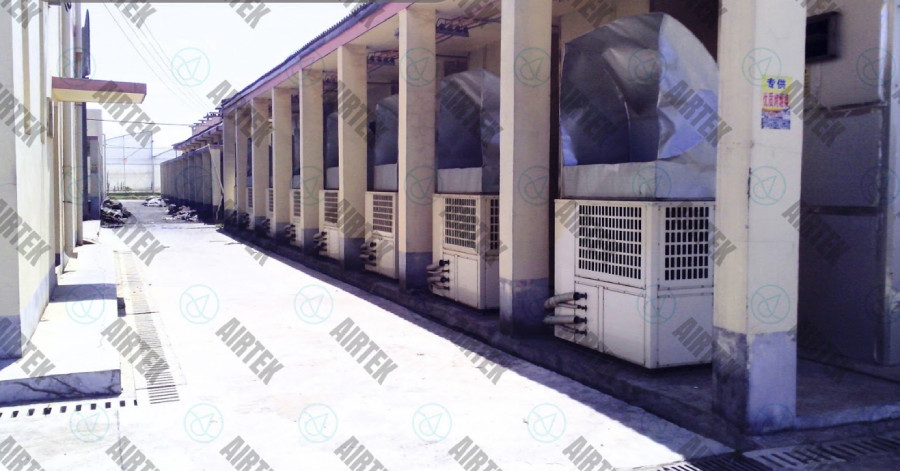
Drying tobacco should be simple. But somehow, it rarely is.
One grower might swear by barn curing. Another insists on mechanical control. But when the leaves come out blotchy, brittle, or smelling wrong, you can tell something went off track. And that’s the thing. With curing, a slight misstep ripples through the whole batch.
Consistency isn’t just helpful. It’s essential.
How a Tobacco Dryer Machine Levels the Playing Field
This is where a tobacco dryer machine makes a difference. Unlike barn setups that rely on weather, guesswork, and timing passed down from memory, these machines let you take the process into your own hands.
You set the airflow. You dial in the heat. You decide how fast or slow to draw out moisture.
The tobacco kiln isn’t magic, but it removes some of the uncertainty. That matters more than most realise, especially when each batch is part of a supply contract, not a backyard experiment.
It’s about being in control. Every. Single. Time.
Why Barns Struggle to Keep Up
Look, barns worked for decades. But they weren’t built for precision. They let in too much air or too little. They heat unevenly. They take forever to get to the right temperature, and longer to cool down if something goes wrong.
Some producers try to fix this with extra fans or insulation. Still, without feedback systems, it’s trial and error. Over and over.
When leaves start turning brown too early or feel damp long after the cycle should be done, you’re stuck. You can’t rush the fix without risking the whole load.
This is where tools like humidity sensors quietly take over. They adjust airflow based on real-time readings. You don’t need to hover. You don’t need to hope. You just need to check your panel, make small changes, and let the machine do the work.
Less Space. Less Stress. Better Leaf.
A big part of the problem for newer facilities is space. Curing barns eat up land. They also need ventilation gaps, insulation, and walkways. You don’t just lose space—you lose volume.
In contrast, a compact kiln setup can process more with less. Stackable trays. Sealed chambers. Minimal external airflow. It keeps the curing in one corner of your building, not half the property.
And since the kiln uses enclosed heat, it consumes far less power. This adds up, especially over a full season.
There’s also the question of airflow reliability. Weak fans? Moisture build-up. Overpowered fans? Leaf damage. That’s why choosing systems with durable rotary fans makes a real difference. It’s not about buying “features.” It’s about avoiding downtime when the season’s in full swing.
Still Wondering If It’s Worth the Shift?
Here’s a thought: How often do you reject batches? How many hours do you spend adjusting, checking, and waiting?
Even if you’re experienced, if the result isn’t reliable, it’s costing you—quietly, over time.
A kiln doesn’t guarantee perfection. You’ll still need to understand your leaf, tweak your settings, and probably mess up a batch or two while learning. But once you dial it in, the cycle becomes repeatable. And that’s the part buyers actually care about.
They want to open a ball and know what to expect. You want to deliver that without losing sleep.
Long Game or Short Fix?
No system fits everyone. Maybe your barn is already giving solid results. Perhaps you’re running small quantities that don’t justify a machine yet.
But if growth is the goal—whether in volume, quality, or predictability—it’s hard to ignore what a kiln brings to the table.
Not overnight. Not dramatically. But gradually, you’ll feel the pressure drop.
Fewer unpredictable outcomes. More control. And at some point, fewer questions from your buyers.
