
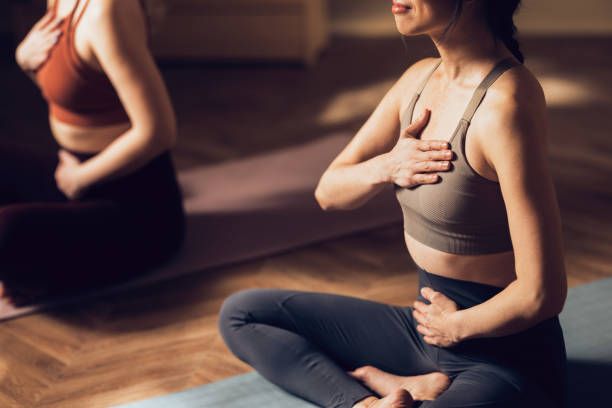
Modern life creates overwhelming stress that traditional vacations can’t fix or address adequately. Retreats offer guided practices and structured support that teach real techniques for availing lasting peace, helping people rebuild their emotional foundation and return home with practical tools for daily calm.
Stress doesn’t take vacations. It follows people through their days, into their nights, and even on trips meant for relaxation. The weight of deadlines, responsibilities, and constant digital noise builds up until the mind feels like it’s running on empty. Many people reach a point where they realize something needs to change, but they don’t know where to start or how to break the cycle.
Understanding the Retreat Experience
- A Different Kind of Escape: A mental wellness retreat creates space for real healing, not just temporary relief. These programs remove people from their daily environment and place them in settings designed specifically for inner work. The difference becomes clear on the first day, when participants realize they’re not just resting but actively learning how their minds work and what peace feels like.
- Structured Learning Environment: The third benefit comes from expert guidance that shows exactly how to calm racing thoughts and release tension. Programs incorporate meditation for stress relief as a core practice, teaching techniques that work both during sessions and in everyday moments. Participants learn to recognize stress patterns before they spiral and develop the ability to pause instead of react when pressure builds.
The Transformation Process
- Initial Breakthrough Moments: People often arrive feeling skeptical or overwhelmed by the idea of sitting still with their thoughts. The first meditation session can feel uncomfortable because it exposes just how busy the mind has become. But something shifts when trained facilitators guide participants through proper breathing techniques and help them understand that meditation isn’t about emptying the mind but about observing it without judgment.
- Building New Neural Pathways: Neuroscience shows that consistent meditation practice changes brain structure over time. The retreat environment accelerates this process by removing distractions and creating multiple opportunities each day to practice. Participants notice their shoulders dropping, their breath deepening, and their responses to challenges becoming less reactive. These aren’t just feelings but measurable changes in how the nervous system functions.
- Creating Sustainable Habits: The real test comes in transfering retreat experiences into home life. Programs address this by teaching micro-practices that fit into busy schedules. A two-minute breathing exercise before meetings. Mindful walking during lunch breaks. Evening reflection practices that take less time than scrolling social media. These small actions compound into significant changes when practiced consistently.
Long-Term Benefits and Life Integration
- Emotional Regulation Skills: Retreats teach people to sit with difficult emotions instead of numbing or avoiding them. This might sound simple, but it changes everything about how stress is processed. Participants learn that anxiety and overwhelm are temporary states, not permanent conditions. They discover internal resources they didn’t know existed and develop confidence in their ability to handle whatever life brings.
- Practical Tools for Daily Life: The best programs send people home with clear frameworks they can use immediately:
- Morning rituals that set a calm tone for the day
- Breathing techniques for moments of high stress or anxiety
- Body scan practices that release physical tension before it accumulates
- Awareness exercises that prevent emotional buildup and burnout
- Enhanced Focus and Clarity: Regular meditation sharpens mental clarity in ways that surprise most participants. Decision-making becomes easier because the mind isn’t cluttered with constant worry. Creativity flows more freely because there’s space for new ideas to emerge. Relationships improve because people become more present and less reactive during conversations. Work performance often increases because tasks receive fuller attention instead of divided focus.
The path to lasting peace starts with taking that first step away from patterns that no longer serve the concerned person. Retreats provide the structure, guidance, and immersive experience needed to break stress cycles and discover what real calm feels like. The practices learned during these programs become lifelong tools that transform not just how people handle stress but how they experience every moment of their lives.
Take time to explore retreat options that align with your personal needs and goals. The investment in mental wellness creates returns that extend into every area of life, offering freedom from the weight that stress creates and opening doors to deeper peace and clearer purpose.
Featured Image Source: https://media.gettyimages.com/id/2030734638/photo/women-practicing-yoga-in-a-calm-studio-environment-for-wellness.jpg?s=612×612&w=0&k=20&c=eUqZIxQ1qz2XSPnZHK_uYGrMbtrMsKtFyopXXXtJONc=
