
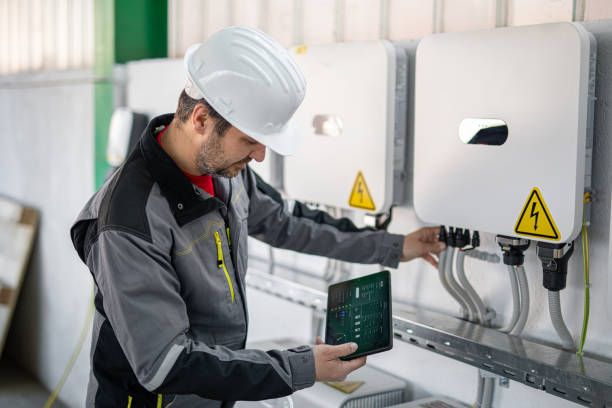
Running a commercial property means juggling countless responsibilities, and electrical safety often gets pushed down the priority list until something goes wrong. The truth is, an outdated or faulty electrical system doesn’t just pose fire risks—it can halt operations, void insurance policies, and land businesses in serious legal trouble. Most business owners don’t realise how quickly a simple compliance gap can spiral into a financial crisis.
The Financial Reality of Electrical Compliance
- Understanding the Investment: The Commercial EICR cost typically ranges from £200 to £1,500 depending on property size, electrical complexity, and the number of circuits requiring inspection. A small retail unit might need a basic inspection, while a multi-floor office building with server rooms and heavy machinery demands more extensive testing. These figures reflect the time electricians spend testing every circuit, socket, and safety device to ensure the system meets current regulations.
- Calculating Long-Term Savings: Smart businesses treat electrical inspections as insurance against larger expenses down the line. A failed inspection might reveal outdated wiring that could have caused a fire, damaging stock worth tens of thousands and forcing temporary closure. The repair costs for emergency electrical failures often exceed planned maintenance by three to five times, not counting lost revenue during downtime.
Legal Consequences That Catch Businesses Off Guard
- Regulatory Penalties and Fines: The Electricity at Work Regulations 1989 place legal responsibility on business owners to maintain safe electrical systems. Health and Safety Executive enforcement can result in fines up to £20,000 for summary offences, with unlimited fines for serious breaches tried in Crown Court. Prosecution cases frequently cite lack of regular inspections as evidence of negligence, making EICR documentation critical legal protection.
- Insurance Policy Implications: Most commercial insurance policies include clauses requiring valid electrical certificates. A fire caused by faulty wiring without an up-to-date EICR can void coverage entirely, leaving businesses liable for property damage, injury claims, and business interruption losses. Insurance assessors routinely request inspection certificates when processing claims, and missing documentation provides grounds for denial.
How Electrical Safety Shapes Business Reputation
- Customer Trust and Perception: Clients notice safety standards, particularly in hospitality, retail, and service sectors where they spend time on premises. A visible electrical fault or emergency evacuation due to electrical issues damages confidence quickly. Businesses operating from properties with expired or failed EICRs risk negative reviews, lost contracts, and damaged professional standing that takes years to rebuild.
- Tenant and Lease Obligations: Commercial leases typically require tenants to maintain electrical systems and provide inspection certificates to landlords. Failing this obligation can trigger lease violations, forfeit deposit protection, and create grounds for eviction. Property owners managing multiple commercial units face compounded risks if any tenant spaces lack valid certification.
The Real Cost of Delayed Inspections
- Emergency Repairs Versus Planned Maintenance: Electrical faults discovered during routine inspections cost significantly less to fix than emergency callouts. A circuit breaker showing early signs of wear/tear might need replacing for £150 during a scheduled inspection, but the same issue causing a power failure during business hours could cost £800 in emergency rates plus lost trading time.
- Business Interruption Expenses: Consider the following costs when electrical failures force closure:
- Lost daily revenue from halted operations, which for retail businesses can exceed several thousand pounds during peak trading periods
- Staff wages paid during enforced downtime when employees cannot work due to unsafe conditions or power loss
- Spoiled perishable stock in restaurants, cafes, or shops with refrigeration requirements
- Cancelled appointments, bookings, or contracts that damage customer relationships and future business prospects
- Contractual and Partnership Requirements: Many B2B relationships and supply chain partnerships require proof of electrical safety compliance. Large corporations conducting due diligence before contracts often audit supplier premises, and missing EICR documentation can disqualify businesses from lucrative opportunities worth far more than the inspection cost itself.
Conclusion
Taking Action on Electrical Safety: Treating electrical inspections as essential business protection rather than optional paperwork prevents costly penalties, maintains insurance validity, and protects hard-earned reputation. The upfront inspection investment shields businesses from regulatory action, emergency repair bills, and operational disruptions that can threaten financial stability. Schedule your commercial electrical inspection today to ensure compliance, protect your premises, and maintain the professional standards your customers expect.
Featured Image Source: https://media.gettyimages.com/id/2204273450/photo/engineer-using-a-digital-tablet-to-examine-electric-smart-grid-system.jpg?s=612×612&w=0&k=20&c=LxK_yhWTmlczVCy8gWVy3FBVZxk25KpJgjo3u16U9S4=
