
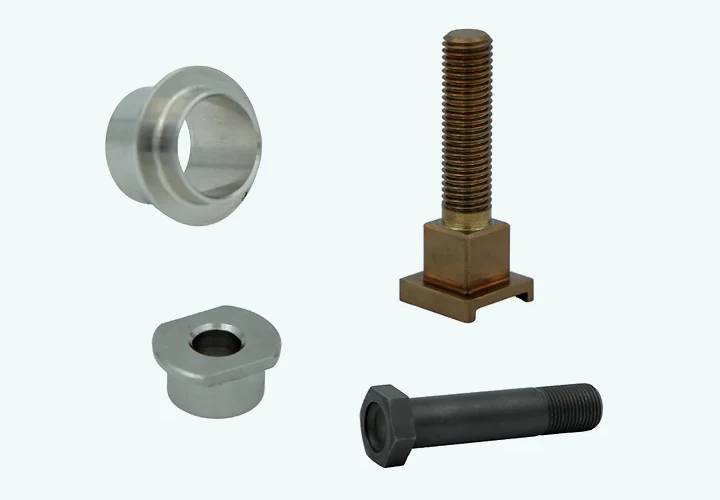
The aerospace industry operates within an environment where failure is not merely expensive—it can be catastrophic. Every component that enters an aircraft must meet exacting standards that far exceed those found in most other manufacturing sectors. The complexity of modern aviation systems requires manufacturers to maintain consistent quality protocols throughout every stage of production, from initial design concepts to final delivery.
Modern aerospace components represent the pinnacle of engineering precision, where tolerances measured in thousandths of an inch determine the difference between success and failure. These critical parts must withstand extreme temperature variations, intense vibrations, and demanding operational cycles that can span decades. Manufacturing facilities specialising in aerospace production invest heavily in advanced machinery, including multi-axis CNC equipment and precision measurement systems.
Quality assurance in aerospace manufacturing extends beyond traditional inspection methods to encompass comprehensive testing regimes that validate performance under simulated flight conditions. Components undergo rigorous material analysis, stress testing, and environmental exposure assessments before receiving approval for installation. The sophisticated nature of these verification processes reflects the industry’s commitment to eliminating potential failure points that could compromise aircraft safety or operational efficiency.
Certification Standards and Regulatory Compliance
- AS9100 and AS9120 Certification Requirements: The aerospace industry mandates adherence to specific quality management standards that govern every aspect of component manufacturing. AS9100 certification extends beyond traditional ISO 9001 requirements by incorporating aerospace-specific elements such as configuration management, risk assessment, and product safety considerations. Manufacturers must demonstrate their ability to consistently deliver products that meet both customer specifications and regulatory requirements through documented processes and systematic quality control measures.
- Third-Party Auditing and Verification: Independent auditing organisations conduct regular assessments of manufacturing facilities to ensure ongoing compliance with established standards. These comprehensive evaluations examine everything from raw material traceability to final product testing procedures. Auditors review documentation systems, inspect manufacturing equipment, and observe production processes to verify that quality management systems function effectively and maintain the rigorous standards required for aerospace applications.
- Regulatory Oversight and Documentation: Aviation authorities maintain strict oversight of component manufacturers through detailed documentation requirements and periodic facility inspections. Manufacturers must maintain comprehensive records that trace each component from raw material sourcing through final delivery, enabling complete accountability throughout the supply chain. This documentation serves as a critical foundation for investigating any quality issues that may arise during service life.
Testing Protocols and Quality Assurance
- Material Verification and Analysis: Advanced testing laboratories employ sophisticated equipment to verify that raw materials meet specified chemical compositions and mechanical properties. Spectroscopic analysis confirms alloy compositions, whilst mechanical testing validates strength, hardness, and fatigue resistance characteristics. These comprehensive material assessments ensure that components will perform reliably under the demanding conditions encountered in aerospace applications.
- Environmental Stress Testing: Components undergo exposure to extreme temperature cycles, vibration profiles, and atmospheric conditions that simulate actual flight environments. Test chambers can replicate temperature variations from -70°F to 550°F, subjecting parts to thermal cycling that validates their ability to maintain dimensional stability and mechanical properties. Vibration testing exposes components to frequency ranges and amplitudes that exceed those encountered during normal aircraft operations.
- Statistical Process Control Implementation: Manufacturing facilities employ statistical methods to monitor production processes and identify potential quality variations before they affect finished products. Control charts track key parameters such as dimensional measurements, surface finish characteristics, and material properties across production runs. This proactive approach enables manufacturers to make process adjustments that maintain consistent quality levels and prevent the production of non-conforming parts.
- Performance Validation Testing: Finished components undergo functional testing that verifies their ability to perform intended operations under specified conditions. These tests may include pressure testing for hydraulic components, electrical testing for avionic parts, or mechanical testing for structural elements. Performance validation ensures that components will function reliably when installed in aircraft systems.
Advanced Manufacturing Technologies
- Precision Machining Capabilities: State-of-the-art manufacturing facilities utilise multi-axis CNC machines capable of achieving tolerances measured in microns. These sophisticated systems can machine complex geometries from challenging materials such as titanium alloys and superalloys that are commonly used in aerospace applications. Advanced cutting tools and coolant systems enable consistent production of high-precision components that meet demanding dimensional requirements.
- Specialised Material Processing: Aerospace components often require exotic materials that demand specialised processing techniques. Photochemical machining enables the production of thin, complex parts from materials that would be difficult to machine using conventional methods. Waterjet cutting provides precise cutting of thick sections without introducing heat-affected zones that could compromise material properties.
- Key Manufacturing Technologies:
- Five-axis CNC machining centres for complex geometrical features
- Photochemical etching for precision thin-section components
- Waterjet cutting systems for thick-section material processing
- Advanced coating application for corrosion and wear resistance
- Precision sheet lamination for composite component assembly
- Quality Control Integration: Modern manufacturing systems incorporate real-time quality monitoring that provides immediate feedback on production parameters. Coordinate measuring machines verify dimensional accuracy throughout the manufacturing process, enabling operators to make adjustments that maintain consistent quality levels. This integration of quality control with production processes reduces waste and ensures that components meet specifications before they leave the manufacturing facility.
Material Selection and Properties
- High-Performance Alloy Systems: Aerospace components utilise advanced alloy systems that provide exceptional strength-to-weight ratios and resistance to environmental degradation. Aluminium alloys from the 2xxx, 6xxx, and 7xxx series offer different combinations of strength, corrosion resistance, and machinability suitable for various applications. Titanium alloys provide superior strength and corrosion resistance for components exposed to high-stress environments.
- Superalloy Applications: Nickel-based superalloys such as Inconel and Waspaloy maintain their mechanical properties at elevated temperatures, making them essential for engine components and other high-temperature applications. These materials resist creep deformation and oxidation under conditions that would cause conventional alloys to fail. The selection of appropriate superalloys requires careful consideration of operating conditions and expected service life.
- Advanced Polymer Systems: Specialised polymers such as polyimides offer unique combinations of properties that make them suitable for specific aerospace applications. These materials provide excellent thermal stability, chemical resistance, and dimensional stability under varying environmental conditions. PTFE-based materials offer low friction characteristics and chemical inertness that make them ideal for bearing and sealing applications.
Risk Mitigation and Safety Assurance
- Failure Mode Analysis: Comprehensive failure mode and effects analysis identifies potential failure mechanisms and their consequences for overall system performance. This systematic approach examines how individual component failures could affect aircraft safety and operational capability. Manufacturers use this analysis to implement design modifications and quality control measures that reduce the probability of failure occurrence.
- Traceability Systems: Complete traceability from raw material sourcing through final installation enables rapid identification and isolation of potentially defective components. Digital tracking systems maintain detailed records of material lots, processing parameters, and inspection results throughout the manufacturing process. This comprehensive documentation supports effective investigation of any quality issues that may arise during service.
- Preventive Quality Measures: Manufacturers implement multiple layers of quality control that prevent defective components from reaching customers. These measures include incoming material inspection, in-process monitoring, and final inspection procedures that verify conformance to specifications. Statistical sampling plans ensure adequate inspection coverage whilst maintaining production efficiency.
The aerospace industry’s commitment to uncompromising quality standards drives continuous advancement in manufacturing technologies and quality assurance methodologies. These rigorous approaches ensure that components meet the demanding performance requirements essential for safe and reliable aircraft operation. Manufacturers who embrace these comprehensive quality standards position themselves as trusted partners in advancing aerospace technology. Invest in proven quality management systems and advanced manufacturing capabilities to meet the aerospace industry’s exacting requirements for precision, reliability, and safety.
Featured Image Source: https://sp-ao.shortpixel.ai/client/to_auto,q_glossy,ret_img/https://upsind.com/wp-content/uploads/2025/01/aerospace-components-upsind.jpg
