
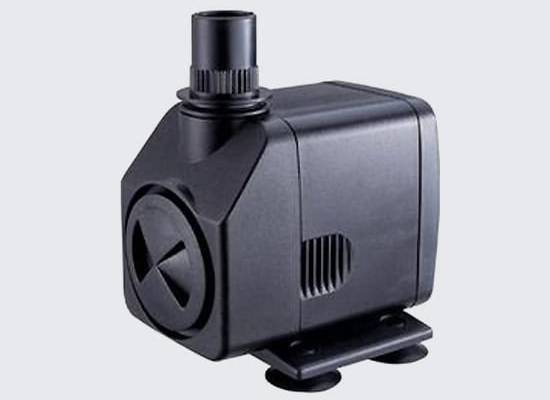
Water features transform ordinary spaces into soothing retreats, but behind every stunning display lies an often overlooked component – the pump. This critical piece determines whether a fountain becomes a backyard showpiece or a constant headache. Many pond owners focus exclusively on the visible elements while neglecting the mechanical heart that keeps everything flowing, leading to performance issues that could have been easily avoided with proper pump selection.
Homeowners looking to purchase small pump for fountain installations face an overwhelming array of technical specifications. Head height, flow rate, and energy consumption represent just a few factors requiring careful consideration. Small tabletop fountains typically need pumps generating 35-100 gallons per hour with minimal head height, while wall fountains might require adjustable flow rates to create the perfect water curtain effect. Overlooking these requirements often leads to disappointing displays or premature equipment failure.
Property managers who need to install outdoor fountain pump systems must consider environmental factors beyond basic specifications. Outdoor pumps require weather resistance, freeze protection capabilities in northern climates, and often benefit from solar options for locations lacking convenient electrical access. The positioning of outdoor pumps demands careful planning – submersible models offer simplified installation but harder maintenance access, while external pumps provide easier servicing but require weatherproof housing and additional plumbing connections.
Matching Pump Power to Fountain Type
Cascading rock fountains present unique pumping challenges due to their varied vertical elements and multiple water paths. These natural-looking features typically require pumps capable of handling debris without clogging while maintaining sufficient pressure throughout the system. Experts recommend adding 20% extra capacity beyond calculated requirements for these installations, accounting for inevitable pressure losses through twisting water pathways and ensuring consistent water flow across all fountain elements. As a general rule, for every inch of spillway of a waterfall, shoot for 100 gallons per hour of flow. Thus, if spillway is 6 inches wide, shoot for 600 gallons per hour flow at that height.
Formal fountain displays with precise water jets or patterns demand specialized pumps with steady pressure regulation. Unlike natural cascades where flow variations may enhance the aesthetic, geometric fountains reveal even minor pressure fluctuations as visible inconsistencies. Pressure-regulated models maintain consistent flow regardless of minor voltage fluctuations or partial clogging, preserving the intended design impact. These specialized pumps typically cost more initially but save significant money by reducing callbacks and adjustment visits.
Understanding Technical Specifications
The mysterious “head height” specification confuses many first-time fountain builders. This measurement indicates how high a pump can push water vertically at a maximum, directly impacting fountain spray height and pattern quality. A pump rated for 6-foot head height might push water only 4 feet when accounting for friction losses through plumbing connections and spout restrictions. Simple spray fountains require head heights 1-2 feet above desired spray height, while complex systems with multiple water features need considerably more.
Flow rate determines water volume movement rather than height, measured in gallons per hour (GPH). Wide basin features require higher flow rates to avoid appearing stagnant, typically needing complete water turnover every 1-2 hours. Narrow vertical displays prioritize pressure over volume, making head height more critical than GPH rating. The “flow curve” of a pump is a measure of how many gallons per hour the pump is pushing at various heights. The ideal pump balances both specifications based on the specific fountain profile rather than maximizing either value independently.
Energy Efficiency Considerations
Electricity costs over time often exceed the initial pump purchase price, making efficiency ratings crucial for long-term operation. Magnetic drive pumps cost slightly more upfront but consume 60-80% less electricity than direct drive alternatives while operating more quietly. For continuous operation, this efficiency difference translates to hundreds of dollars annually for larger systems, with the investment typically recovered within 6-18 months depending on local electricity rates.
Adjustable flow pumps offer tremendous versatility when fountain requirements change seasonally or as design preferences evolve. These pumps allow output modification without replacing equipment, especially useful during initial system tuning or when switching between different water feature effects. While slightly more expensive than fixed-output alternatives, their adaptability prevents costly replacement purchases when water feature needs inevitably change over time.
Installation and Maintenance Factors
Proper pump placement dramatically affects both performance and maintenance requirements. Positioning pumps at least two inches from basin bottoms prevents sediment intake while maintaining adequate water supply. Side mounting rather than direct bottom placement reduces the frequency of cleaning cycles by minimizing debris exposure, particularly important for outdoor installations under trees or in windy locations where leaves and organic material regularly enter the water. If there is a noise issue due to vibration, it is often helpful to place a pump on a spongey surface.
Selecting the right fountain pump requires balancing technical requirements, energy considerations, and installation factors specific to each water feature design. Taking time to match pump specifications precisely to fountain type prevents disappointment while ensuring years of trouble-free operation. Ready to create the perfect water feature? Consult with a water feature specialist who can help calculate exact pump requirements for your specific fountain design, saving money and headaches through proper equipment selection from the start.
Featured Image Source: https://www.fountaintechpumps.com/wp-content/uploads/2022/11/fountain-tech-ft-300.jpg
