
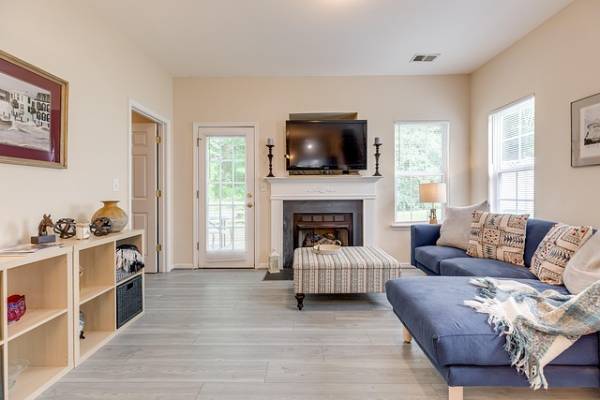
Home design is more than just decorating a space. It can also be the layout of a home, with an architect being licensed to plan and design both the interior and exterior.
Home design trends include embracing personal touches, merging cultures and crafting story-rich homes. Here, professionals reveal the colors, materials, and styles homeowners are requesting.
1. Embracing the Global Aesthetic
A curated mix of cultural influences is the essence of global design. This design style embraces the global heritage of a culture to create a unique, thoughtful aesthetic that celebrates diversity and individuality. It also embraces the holistic integration of each element using my Aligned Design system to ensure it has a purpose and energy to promote growth and well-being in your home.
Cultural fusion can take the form of an entire design ode to a country or a simple melange of inspirations from various nations. For example, incorporating Kilim pillows or area rugs can evoke a sense of vacation when displayed in your space. Alternatively, adding an antiquing cabinet can reflect a more traditional cultural aesthetic. Another popular way to incorporate cultural elements into your home is through the use of colors and patterns. For instance, Mexican culture is known for its vibrant hues and love of symmetry. This can be reflected in your home by integrating symmetrical pieces such as mirrored frames or decorative artwork.
Textures are also a key component in the global aesthetic. The use of woven fabrics, natural wood grains, and earthy terracotta surfaces adds depth and dimension to a room. When designing with this aesthetic, it is important to balance contrasting patterns and bold colors with neutrals or smaller patterned elements to avoid overwhelming the room.
2. Embracing Dark Colors
Despite the prevailing belief that light colors are the best for home design, dark hues have become increasingly popular. From moody blues to rich charcoal tones, these darker hues make a powerful statement and add dimension to rooms. However, incorporating dark colors into your home can be daunting if you’re not sure how to balance them.
One of the best ways to embrace dark colors is through a patterned wall. By using painter’s tape to mark out your desired pattern, you can create a unique and eye-catching textured look that adds depth and character to your space. You can also incorporate patterned furniture and decor to achieve a similar effect.
Another way to integrate dark colors into your home is through wood accents. Whether it’s through a wooden bench, wooden table, or a dark-colored floor, wood accents can provide a striking contrast to lighter elements in your room. They also conceal everyday wear and tear, making them a great choice for high-traffic areas like hallways and bathrooms.
Lastly, you can also use textures to avoid a room feeling dull or overly dark. Plush rugs, velvet upholstery, and woven textiles can all introduce contrast and visual interest while creating a cozy, warm feel to your home.
3. Embracing Natural Light
One of the most crucial elements in a home is how well it’s lit. Too dim and it can feel cold, too bright and you’re forced to squint your way through tasks and activities. Luckily, creative strategies to maximise natural light can transform any space into a beautifully illuminated abode.
Bathing interiors in sunlight has many benefits, including regulating our internal clocks, boosting moods, and providing essential Vitamin D. The glow also makes rooms feel bigger by reducing shadows and expanding the perceived boundaries of space. In addition, natural light enhances and highlights decor elements, bringing out their true beauty and illuminating any unique features the room may have.
Optimal natural light relies on strategic window placement and building orientation. For example, if you’re a morning person and want to wake up to the brightest sunlight possible, choose an east-facing bedroom. Conversely, if you’re a night owl and like to fall asleep when the sun is setting, an evening-facing bedroom can provide you with a relaxing and restful sleep cycle.
Using skylights and light tubes is another great option to bring natural light into any room. These features can add a dramatic and architectural element to any living space and allow light to penetrate deeper into the room, even in secluded areas. Open floor plans and removing unnecessary walls are also key when it comes to maximising natural light. This creates a seamless flow throughout the home and removes any barriers between indoors and outdoors, connecting us further with nature.
4. Embracing Wellness
Increasingly, homeowners are prioritizing wellness in their homes. The focus may be as simple as creating calming color palettes or including ergonomic furniture, but it is also as complex as blurring the line between indoor and outdoor spaces, allowing for a more harmonious lifestyle in which both physical and mental health are nurtured.
Home design that embraces wellness isn’t just a trend – it’s a necessity. As more and more people struggle with the stress of modern life, they’re yearning for a place to relax and recharge. From areas designed for introspection like a cozy reading nook to spaces that inspire creativity such as a well-decorated home office, interior designers are helping clients achieve their ultimate state of wellness and escapism.
To create a wellness-centric space, start with the basics. Rugs are a great way to incorporate the concept into your space, as they can offer warmth and comfort while promoting healthy habits through texture and color. Choose a natural, sustainable material that speaks to the design aesthetic you’re going for, such as an organic cotton or jute rug.
Featured Image Source: https://cdn.pixabay.com/photo/2023/11/06/23/04/living-room-8370686_640.jpg
