
Ontario faces growing pressure to shift away from fossil fuels and embrace cleaner energy alternatives. Climate change concerns, rising energy costs, and the desire for energy independence have pushed the province to reconsider how it generates electricity. Renewable energy sources, particularly solar and wind, stand at the forefront of this transition. These technologies not only help reduce greenhouse gas emissions but also provide economic benefits through job creation and reduced dependence on imported fuels. As Ontario charts its path towards a greener future, understanding the current landscape and potential of these renewable resources becomes essential.
Wind Power: A Growing Force in Ontario
Ontario wind turbines have become an increasingly common sight across the province’s rural landscapes. With over 2,500 turbines currently installed, wind energy now contributes roughly 8% of Ontario’s electricity generation capacity. The Great Lakes region offers particularly favourable conditions for wind development, with steady wind patterns and proximity to existing transmission infrastructure. Despite initial public concerns about noise and visual impact, communities have gradually accepted these towering structures as necessary components of a sustainable energy mix. Farmers who lease their land for turbine installation receive stable income while still being able to use most of their property for agricultural purposes.
Solar Energy: Brightening Ontario’s Power Grid
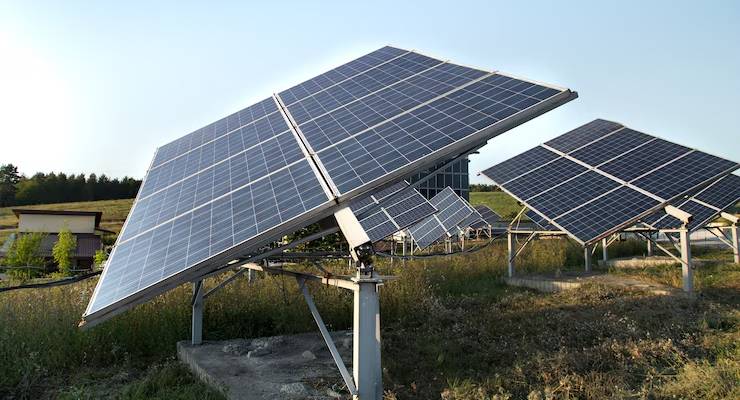
Ontario solar initiatives have expanded dramatically over the past decade, with installations ranging from small residential rooftop systems to massive ground-mounted solar farms. The Feed-in Tariff programme, though now discontinued, helped jumpstart the industry by guaranteeing favourable rates for solar-generated electricity. Today, solar contributes approximately 2% of provincial power, with much greater potential still untapped. The falling cost of photovoltaic panels has made solar increasingly competitive, even without government subsidies. Innovative approaches like floating solar panels on reservoirs and integration with agricultural land use demonstrate how solar can maximise limited space while minimising environmental impact.
Complementary Technologies
The intermittent nature of both wind and solar power represents their biggest challenge. Wind turbines generate electricity only when the wind blows, while solar panels produce power only during daylight hours. This variability creates the need for complementary technologies to ensure consistent power supply. Battery storage systems have emerged as crucial partners for renewable generation, storing excess energy during peak production periods for use during lulls. Pumped hydro storage, where water is pumped uphill when excess electricity is available and released to generate power when needed, offers another solution. These storage technologies help smooth out the natural fluctuations in renewable energy production.
Economic Benefits Beyond Clean Energy
The transition to renewable energy brings substantial economic advantages beyond environmental benefits. The renewable sector has created thousands of jobs across Ontario in manufacturing, installation, maintenance, and supporting services. Communities hosting renewable projects often receive tax revenue that helps fund local services and infrastructure improvements. Additionally, the distributed nature of these technologies means energy dollars stay within the province rather than flowing to imported fuel sources. Small businesses specialising in solar installation or wind turbine maintenance have sprung up across Ontario, creating new economic opportunities in both urban and rural areas.
Policy Framework and Future Direction
Ontario’s renewable energy landscape has experienced policy shifts over the years, from aggressive support through the Green Energy Act to more market-driven approaches. Current provincial targets aim for significant carbon reduction by the year 2030, with renewables playing a central role. Municipal governments increasingly take the lead by establishing their own climate action plans with ambitious renewable energy goals. Streamlined permitting processes and updated grid connection policies could accelerate adoption rates. Future policy directions likely need to balance cost concerns with environmental imperatives while ensuring reliability of the overall electrical system.
Challenges in Implementation
Despite their promise, renewable energy projects face several hurdles in Ontario. Grid integration remains technically challenging, requiring significant infrastructure updates to accommodate the distributed and variable nature of these power sources. Some communities still express opposition to nearby developments, particularly large wind farms. The initial capital costs, while decreasing, still present barriers for some potential adopters. Cold weather can affect both solar panel efficiency and wind turbine operation, requiring specialised equipment designed for Ontario’s climate. Addressing these challenges requires collaborative approaches involving government, industry, and community stakeholders.
Indigenous Partnerships in Renewable Energy
First Nations communities across Ontario have increasingly embraced renewable energy projects as paths toward economic development and energy sovereignty. Several successful partnerships between Indigenous communities and renewable energy developers have created models for respectful collaboration. These projects often combine traditional ecological knowledge with modern technology. The Indigenous Clean Energy Network reports that over 200 medium-to-large scale renewable energy projects exist with Indigenous involvement across Canada, many in Ontario. These initiatives help remote communities reduce dependence on diesel generators while creating sustainable revenue streams and training opportunities.
Looking Beyond Electricity
While much focus remains on electricity generation, renewable energy can contribute to other sectors as well. Solar thermal systems can provide hot water and space heating for homes and businesses. Wind and solar power can produce green hydrogen through electrolysis, offering clean fuel for transportation and industrial processes. Agricultural operations can benefit from both technologies, using solar panels that allow crops to grow underneath or placing wind turbines in ways that minimally impact farming activities. This sector-coupling approach maximises the benefits of renewable resources across the economy.
Ontario stands at a crucial crossroads in its energy transition. Solar and wind power represent proven, scalable technologies that can significantly reduce carbon emissions while providing economic benefits. Their continued growth depends on supportive policies, technological advancements, and public acceptance. Every resident can participate in this transition by considering renewable options for their homes and businesses, supporting community energy projects, or simply understanding the vital role these technologies play. The path to a sustainable energy future requires commitment at all levels—from individual households to government policy. Take action today by exploring renewable energy options for your property or community.
Featured Image Source: https://img.freepik.com/free-photo/photovoltaics-solar-power-station-energy-from-natural_169016-5821.jpg
