
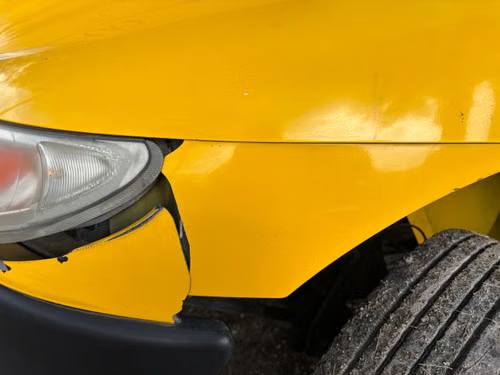
Somebody made a decision about your car, and you probably never heard about it. It happened after the teardown, in a quiet moment when a technician looked at a crumpled quarter panel and picked one of three roads. Fix it. Cut part of it out and weld in new metal. Or throw the whole thing away and start over.
Each road costs a different amount, takes a different number of days, and leaves you with a different car. Auto collision repair lives or dies on that single call, and most owners never learn which way it went.
You should ask. Here is why. The three choices are not interchangeable, and the manufacturer already has an opinion about which one is allowed on your specific vehicle. Relux Collision follows those manufacturer procedures rather than improvising, which sounds obvious until you learn how many shops treat the decision as a matter of preference.
Repair Means the Original Metal Stays
Repair is the oldest answer and, on the right damage, still the best one.
The technician works the existing panel back toward its original shape. Pulling, shaping, filling where the manufacturer permits filler, then refinishing. Nothing gets cut. Nothing gets replaced.
This works when:
- The damage sits in a non-structural area.
- The metal has not stretched past its limit.
- No sharp creases run through a reinforcement zone.
- The panel has not been repaired before in the same place.
Repair keeps your factory corrosion protection intact, which matters more than people think. Every weld, every cut, every new seam creates a place where rust can eventually start.
So a repaired panel is often a better outcome than a replaced one. Perhaps that surprises you. It surprises plenty of customers who assume new always beats old.
Replacement Means the Whole Panel Goes
Sometimes the metal is finished. It stretched, it tore, or it took a hit hard enough that no amount of pulling brings it back to specification.
Then the panel comes off, and a new one goes on.
Bolt-on panels make this simple. Fenders, doors, hoods, and bumper covers usually unbolt and rebolt without touching anything structural. A full quarter panel is a different story, because it is welded to the body from the factory.
Replacement raises three questions worth asking your shop:
- Is the new panel OEM, aftermarket, or salvage
- Where do the new welds go, and do they match the factory weld pattern
- Will the shop reapply corrosion protection inside the seams?
That last one gets skipped constantly. A new panel welded on without cavity wax and seam sealer starts rusting from the inside where nobody looks.
Sectioning Sits Between the Two, and It Has Rules
Sectioning is the middle path. The shop cuts out the damaged portion of a panel and welds in a matching section of a new one.
It saves money. It saves labor hours. It also gets abused.
Let’s break it down. Manufacturers publish sectioning procedures that specify exactly where a cut may be made, what backing is required, what weld type to use, and which areas may never be sectioned at all. Frame rails, pillars, and rocker panels carry the strictest limits because those parts manage crash energy.
Cut in the wrong place, and you have moved a crush zone. The car will still drive. It will still pass a visual inspection. It will fold differently in the next crash, and by then, nobody is checking why.
Would you ever know? Almost certainly not.
Why Your Estimate Changes When the Decision Changes
The three paths cost very different amounts, and that is where the tension starts.
An insurer looking at the file wants the cheapest defensible option. A shop looking at the car wants the correct one. Most of the time, those match. Sometimes they do not.
Here is what pushes the decision:
- Labor hours needed to repair versus the price of a new panel
- Whether the damage crosses a structural boundary
- Prior repairs are hiding under the paint.
- Availability of the replacement part
- Manufacturer position statements on that specific vehicle
Prior repairs deserve a mention. A panel that was already filled once and repainted may look untouched. Then the technician sands it down, finds body filler an eighth of an inch thick, and the whole plan changes on the spot.
That is not the shop being difficult. That is the shop finding out what the last shop did.
The Question That Separates Good Shops from Cheap Ones
Ask this before you authorize the work: What does the manufacturer’s repair procedure say for this panel on this vehicle?
A shop that pulls up the procedure has just told you everything. A shop that says it depends on the technician has also told you everything.
Vehicle makers publish these procedures. I-CAR distributes and teaches them. Relux Collision holds I-CAR Gold Class training, which is the industry’s recognition for role-relevant technician education, and backs its work with a limited lifetime warranty. A warranty means something only if the underlying decision was made correctly in the first place.
Cheap auto collision repair rarely announces itself with bad paint. It announces itself with a cut in the wrong location that nobody will ever photograph.
What This Means for Your Claim and Your Wallet
You get to choose your shop in California. The insurer can suggest one. The choice stays yours.
Relux Collision handles claim paperwork directly with AAA, GEICO, State Farm, Allstate, Progressive, Nationwide, Liberty Mutual, Farmers, and Wawanesa. The shop also offers deductible assistance of up to $1,000 through the Relux Cash Back program, which softens a repair you did not plan for. Nobody can promise how a carrier will rule on a specific claim. What a shop can control is the decision made in the bay.
Your car’s resale value carries this too. A replaced quarter panel shows up on a vehicle history report. A properly sectioned repair, done to procedure, holds its value better than a hack job done fast.
Next Steps Before You Sign the Authorization
Do three things at the estimate stage.
- Ask which panels the shop plans to repair, section, or replace
- Ask to see the manufacturer’s procedure for any structural work.
- Ask whether corrosion protection gets reapplied to new seams.
Then listen to how confidently the answers come back.
Call 916-621-5306 or request a free estimate at reluxcollision.com/get-a-quote. The decision about your panel gets made once. Make sure somebody makes it on purpose.
