
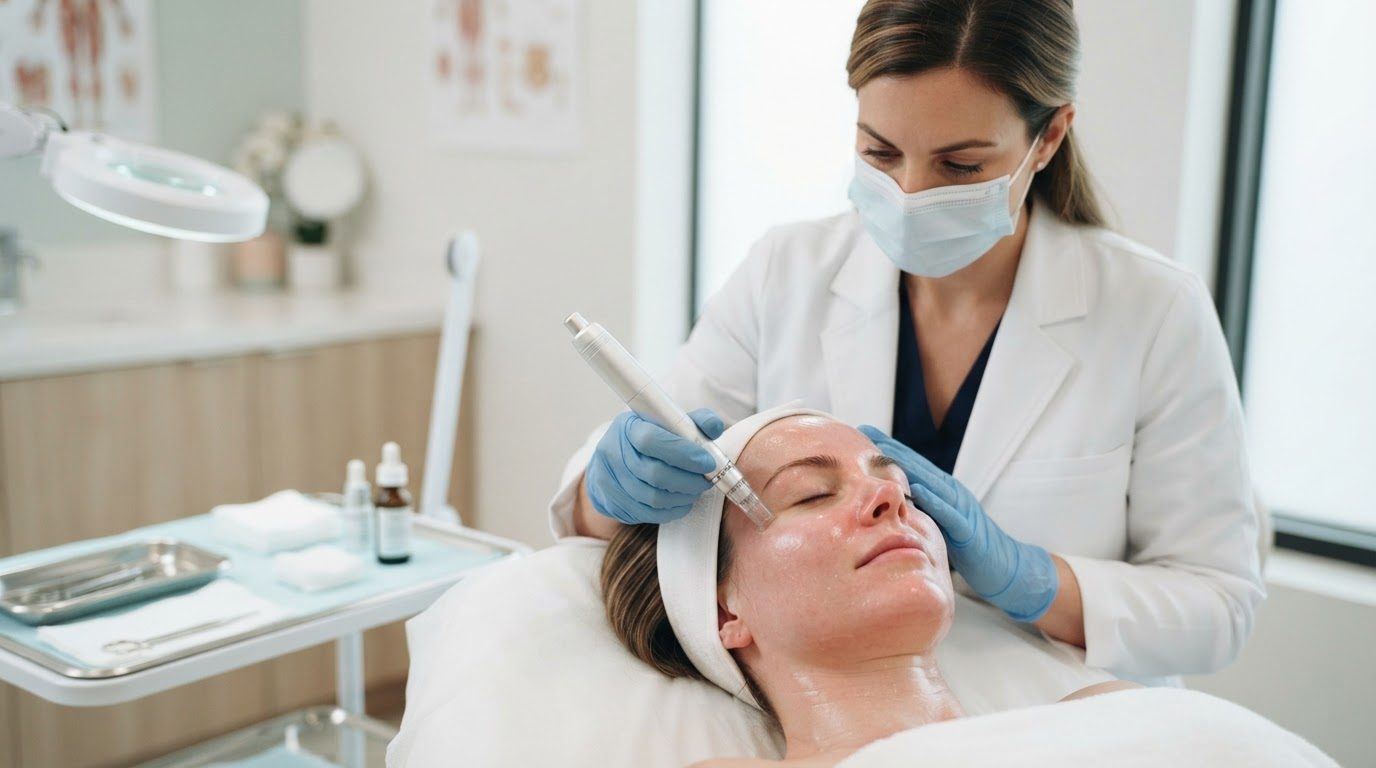
Fine lines, acne scars, enlarged pores and uneven texture can persist despite a consistent skincare routine. Microneedling offers a clinically established way to encourage the skin’s own repair processes without surgery, making it an option for people seeking gradual, natural-looking rejuvenation.
When searching for microneedling near me, the nearest clinic is not necessarily the right clinic. Practitioner experience, sterile technique, device quality, treatment depth, consultation standards and aftercare can all influence both safety and results.
A consultation at Define Clinic – Beaconsfield can help establish whether microneedling suits your skin and objectives. The clinic’s treatment information explains how its practitioners assess individual concerns, use modern technology and tailor treatment plans rather than applying a uniform protocol.
Is Microneedling the Right Treatment for Your Skin?
Microneedling, sometimes called collagen induction therapy, uses a specialist device with very fine needles to create controlled micro-punctures in the skin. These tiny injuries activate the wound-healing response, encouraging the production and remodelling of collagen and elastin—proteins involved in skin strength, elasticity and structure.
It may be considered for:
- Fine lines, wrinkles and early loss of firmness.
- Uneven skin texture and enlarged pores.
- Acne scarring and other depressed scars.
- Surgical, traumatic or burn scars.
- Uneven tone, pigmentation and dullness.
- Stretch marks and localised textural changes.
The treatment is suitable for many skin types and for all genders, but suitability depends on the condition of the skin and the desired outcome. A consultation is particularly important if you have active acne, dermatitis, eczema, psoriasis, infection, unusual sensitivity, a tendency to poor wound healing or a history of raised scarring. Treatment may need to be postponed while inflammation or infection is addressed.
Microneedling is not a way to erase every scar or reverse advanced laxity. Its strongest role is often progressive improvement in texture and skin quality, with expectations shaped by scar type, age, depth, pigmentation and overall health.
What Happens During a Define Clinic Microneedling Appointment?
Treatment should begin with an assessment rather than an automatic procedure. The practitioner reviews your medical history, skincare routine, skin concerns and goals, then determines whether microneedling—or another treatment—offers the most appropriate route.
The treatment area is cleansed and prepared. Local or topical anaesthetic may be used to improve comfort before a specialist microneedling device is passed systematically over the selected area. Needle depth and treatment intensity should be adapted to the anatomical site and concern; scar treatment, for example, may require a different approach from superficial rejuvenation.
Most people describe the sensation as mild prickling, pressure or vibration. Comfort measures, including anaesthetic and communication throughout the procedure, can make the experience more manageable. Appointment length varies according to the treatment area, preparation and whether additional procedures are included, so the clinic should confirm the expected schedule during consultation.
In suitable cases, microneedling may be discussed alongside PRP—platelet-rich plasma prepared from a patient’s own blood—or injectable skin boosters. These are not automatic additions: their suitability, evidence, cost and risk profile should be assessed individually.
Skin Concerns, Results and Treatment Planning
Fine Lines and Early Loss of Firmness
By stimulating collagen production, microneedling can soften the appearance of fine lines and improve the feel and resilience of the skin. It is generally more appropriate for early-to-moderate textural ageing than for substantial sagging, where other options may need consideration.
Acne and Other Scars
Collagen remodelling may reduce the visibility of some acne scars and improve irregular texture. Surgical and burn scars can also be assessed, although mature, tethered, raised or heavily pigmented scars may require specialist management or combination treatment. Results depend on scar architecture and cannot be guaranteed.
Uneven Tone and Dullness
Microneedling may support a more even-looking complexion by promoting renewal and improving surface texture. Pigmentation requires careful assessment, particularly for skin more prone to post-inflammatory hyperpigmentation. Sun protection is essential before and after treatment.
Stretch Marks and Localised Texture
Stretch marks are a form of dermal scarring. Microneedling may make them less noticeable by encouraging collagen and elastin activity, but improvement is usually gradual and partial rather than complete.
Some patients notice an immediate plumping or fresher appearance caused by temporary swelling and increased hydration. More meaningful collagen-led improvement generally becomes noticeable after around one week and continues over subsequent months. Define Clinic commonly recommends a personalised course of three to six sessions, spaced approximately four to six weeks apart. The appropriate number depends on the concern, treatment area, skin response and desired outcome.
Recovery, Aftercare and Safety Considerations
Common short-term effects include redness, sensitivity, warmth, tightness and mild swelling. Visible redness may last approximately 24 hours, while mild flaking can appear after several days as the skin renews. Recovery varies with needle depth, treatment intensity, skin type and individual healing.
Typical aftercare includes:
- Avoiding direct sun exposure while the skin is recovering.
- Applying high-SPF protection for the period recommended by the clinic; Define Clinic advises high SPF for four weeks after treatment.
- Following the prescribed cleansing and moisturising routine.
- Avoiding retinoids, exfoliating acids, fragranced products and other irritants until the practitioner says they can be restarted.
- Delaying strenuous exercise, swimming, saunas and activities that may introduce heat, sweat or contamination during the advised recovery period.
Microneedling is not risk-free. Possible complications include prolonged inflammation, infection, bruising, pigmentary change, cold-sore reactivation and, rarely, abnormal scarring. Sterile single-use components where applicable, appropriate disinfection, practitioner training, controlled needle depth and an accurate medical history are fundamental safeguards. Tell the clinic about medication, active breakouts, infection, allergies, anticoagulants and any history of delayed healing before treatment.
Beaconsfield’s variable UK weather also makes sun protection relevant outside summer: ultraviolet exposure can worsen pigmentation and interfere with recovery even on bright or cool days.
Choosing Microneedling Near You in Beaconsfield
A responsible local search should evaluate more than availability or introductory pricing. Before booking, ask:
- Which concerns can the practitioner treat, and which may require referral?
- Who will perform the procedure, and what training and experience do they have?
- Which device is used, and how are needle depth and hygiene controlled?
- What preparation and aftercare are required?
- How many sessions might be appropriate, and what happens if results are limited?
- Are PRP or skin boosters clinically suitable for your case?
- What is included in the quoted price, and are review appointments provided?
Define Clinic positions its Beaconsfield service around experienced practitioners, modern microneedling technology, local anaesthetic for comfort and a calm clinical setting. Prospective patients should still use consultation to test whether the proposed plan is proportionate, transparent and medically appropriate. To assess your skin and discuss realistic options, Define Clinic – Beaconsfield provides treatment information and a route to consultation.
Frequently Asked Questions
How much does microneedling usually cost?
UK prices vary by treatment area, practitioner, clinic location and whether PRP or a skin booster is included. A broad benchmark is roughly £150–£400 per session for standard facial microneedling, with combination treatments costing more. Request a written quotation after assessment rather than comparing headline prices alone.
Does microneedling hurt?
Topical or local anaesthetic is commonly used. Most patients report prickling, pressure or vibration, although sensitivity varies by area and treatment depth.
How long is the downtime?
Many patients have visible redness for about 24 hours, followed by possible tightness or light flaking. More intensive treatments can require longer recovery, so follow the clinic’s individual advice.
When will results become visible?
An immediate plumping effect may occur, while early visible improvement often develops after about one week. Collagen remodelling continues over the following months and across a treatment course.
Is microneedling suitable at 40 or older?
Age alone is not a contraindication. Skin condition, medication, healing capacity, pigmentation risk and treatment goals matter more than a specific birthday.
Can microneedling improve acne scars and stretch marks?
It may improve the appearance and texture of both, particularly over multiple sessions. The degree of improvement depends on scar depth, age, type and individual response.
How many sessions are normally needed?
Three to six sessions, usually four to six weeks apart, is a common planning range. Deeper scarring or more established concerns may require a different strategy.
Can microneedling be combined with PRP or skin boosters?
Potentially, but only following clinical assessment. Define Clinic discusses combinations such as PRP or skin boosters when they are appropriate for the patient’s concern and treatment plan.
What should be avoided before and after treatment?
Avoid unapproved retinoids, acids, irritating skincare, significant sun exposure and activities that create heat, sweat or contamination until advised. Disclose recent injectables, medication and active skin conditions during consultation.
