
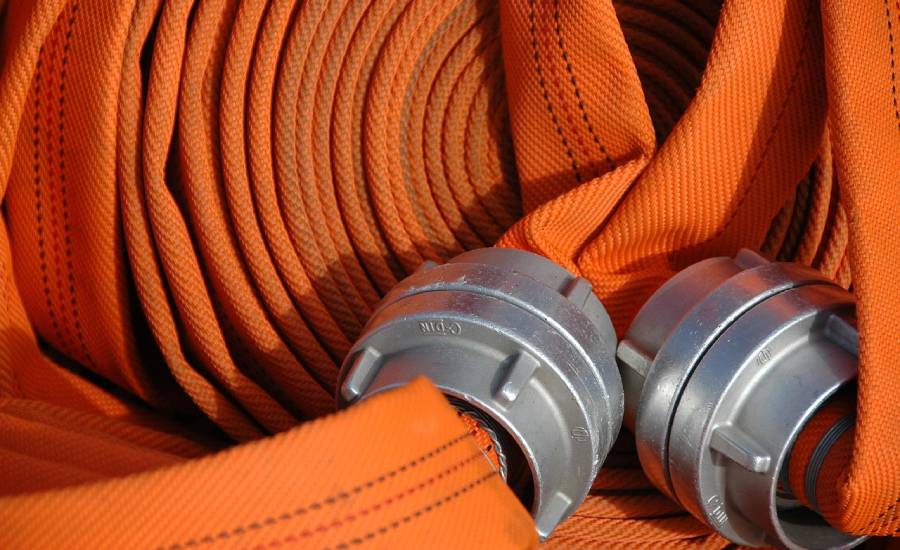
Selecting the right stainless steel hose prevents system failures, reduces downtime risks, and ensures optimal performance across demanding industrial applications when partnering with specialists.
In today’s demanding industrial environments, equipment reliability can make or break operations. When systems fail, production halts, deadlines slip, and costs spiral upward. Nothing creates more anxiety for operations managers than unexpected downtime – it’s the scenario that keeps professionals awake at night.
Planning to buy stainless steel hose components requires understanding what separates quality from mediocrity, which can save operations from catastrophic failure. Many procurement specialists make hasty decisions based solely on price, only to face devastating consequences of premature failure weeks or months later – when stakes are highest and alternatives are scarce.
Partnering with a leading flexible hose manufacturer provides critical advantages beyond mere product acquisition. The right supplier becomes a partner in operational excellence, offering expertise that prevents costly mistakes. Unfortunately, many industrial facilities discover too late that their hose selection wasn’t appropriate for their specific pressure, temperature, or chemical exposure requirements.
The true cost of selecting improper stainless steel hoses extends beyond purchase price. Consider the ripple effects: emergency maintenance, production delays, safety incidents, and even regulatory non-compliance. These consequences dwarf any initial savings from choosing substandard products.
Material grade remains paramount – 304 stainless suits general applications, while 316 offers superior corrosion resistance for harsh chemical environments. Braid construction significantly impacts pressure ratings; single-braided designs typically handle up to 1000 PSI, whereas double-braided options manage substantially higher pressures.
End fittings deserve careful scrutiny. The connection between hose and fitting represents the most vulnerable point in any system. Poorly matched components virtually guarantee failure, often at the worst possible moment. Welded fittings generally outperform crimped versions for high-stress applications, though at premium cost.
Temperature tolerance varies dramatically between designs. Standard stainless steel hoses typically function between -40°C to 538°C, but specific constructions push these boundaries further. Operating near these limits drastically reduces service life – a fact rarely emphasised by budget suppliers.
Flexibility requirements should never be overlooked. While tighter bend radius might seem advantageous, it often compromises pressure capacity. This trade-off must be carefully evaluated against specific installation constraints. Sometimes, a slightly different routing approach allows for selection of a more robust, less flexible option.
Operations managers frequently discover too late that their hose selection lacks appropriate certification for their industry. Whether requiring ASME, ISO, or other specific compliance standards, verification before purchase prevents costly replacements and potential regulatory headaches.
Maintenance protocols significantly impact longevity. Regular visual inspections can identify early signs of failure, particularly near fittings or at bend points. Quality stainless steel hoses should deliver years of reliable service when properly selected and maintained.
Don’t gamble with system integrity. Consulting with specialists who understand specific operating conditions eliminates a major source of operational risk, providing confidence that systems will perform when reliability matters most.
Vibration resistance represents another critical yet often neglected factor in hose selection. In machinery with significant movement or vibration, reinforced designs with specialised dampening features prevent premature metal fatigue. Many standard options fail within weeks when subjected to continuous vibration, leading to costly emergency replacements and extended downtime.
Chemical compatibility deserves thorough assessment. While stainless steel offers broad chemical resistance, certain aggressive substances can cause rapid deterioration. Detailed analysis of all media flowing through the system ensures appropriate material selection. One overlooked chemical interaction can reduce hose lifespan from years to mere days.
Featured Image Source: https://cdn.pixabay.com/photo/2020/06/30/21/43/fire-5357699_1280.jpg
